
TL;DR: FluentBooking Review
Key Verdict: FluentBooking is a high-performance, self-hosted scheduling engine that eliminates the Success Tax associated with per-user SaaS pricing. For businesses built on a Sovereign Stack, it provides a fast, Vue-based interface that connects directly to your own database and CRM without the latency or privacy risks of external embeds.
The Day My Tech Stack Fired Me
For years, my scheduling was handled by Acuity. It was a reliable tool until the structural foundations shifted. After Squarespace acquired Acuity, the development focus pivoted toward their proprietary ecosystem, leaving WordPress users in an architectural cul-de-sac.
Suddenly, I wasn’t a customer. I was a tenant in a building that was being remodeled without my input. The development roadmap shifted toward Vertical Integration for the Squarespace ecosystem, which meant the APIs and Extensibility that WordPress users relied on became secondary priorities. The features I relied on were gutted from my tier. The Success Tax began to penalize my growth. I realized that my most critical business entry point was actually owned by a third party that could change the rules at any time.
What You Will Learn in This Audit
Comparison of Sovereign vs. SaaS Hostage
Deciding between a self-hosted tool and a cloud-based service requires an objective look at the underlying architecture. While SaaS tools prioritize ease of entry, they often introduce hidden costs in the form of performance bottlenecks and data isolation. The following comparison highlights the structural advantages of maintaining a local booking engine over relying on a remote third-party provider caught up in the SaaS Hostage Crisis.
| Feature | FluentBooking | Calendly / Acuity |
|---|---|---|
| Cost Model | One-time license (Sovereign) | Per-user, Per-month (Success Tax) |
| Data Residency | Your Database (Full Control) | Third-party Cloud (Privacy Risk) |
| Performance | Native WP Block (Instant) | iFrame Embed (Latency & CLS) |
| Branding | Fully Whitelabel | Branding Tax on Lower Tiers |
| Integrations | Native CRM Handshake | Middleware required (Zapier fees) |
The 3-Year Total Cost of Ownership
In enterprise architecture, we never look at the monthly subscription in isolation. We look at the TCO over a standard three-year software lifecycle. Most SaaS tools hide their true cost behind a per-user entry price that scales aggressively as your team grows. FluentBooking offers both a $79 annual license and a $249 lifetime option for a single site, both of which permit unlimited hosts.
| Expense Item | FluentBooking (Lifetime) | SaaS Competitor (5 Hosts) |
|---|---|---|
| Year 1 Cost | $249 (One-time) | $900 ($15/mo per user) |
| Year 2 Cost | $0 | $900 |
| Year 3 Cost | $0 | $900 |
| Zapier Fees | $0 (Native) | $720 ($20/mo estimate) |
| Total 3-Year TCO | $249 | $3,420 |
It is important to note that a self-hosted solution requires a quality VPS hosting environment. However, unlike a SaaS subscription that only provides one service, your VPS hosts your entire WordPress site, your CRM, your learning management system, and your booking engine. The hosting expense is a fixed infrastructure cost that covers your entire business stack rather than a recurring penalty for every new user you add.

Stop paying monthly fees for every team member you add to your calendar. FluentBooking gives you the same smooth experience as tools like Calendly, but it lives on your own site. This means you own your data, your clients never leave your domain, and your booking system stays fast because it connects directly to your own CRM.
- No monthly per-user fees for team members
- All customer data stays on your server for better privacy
- Connects directly to FluentCRM to automate your follow-ups
- Includes native integrations for Zoom, Google Meet, and Stripe
- Faster loading than external embeds that slow down your site
- You are responsible for ensuring your site’s email notifications are configured correctly
- Initial setup takes a few more clicks than a SaaS.

Why I Conducted This Audit
Most business owners operate as accidental tenants in software ecosystems that hold their customer data in a proprietary cage. This model creates significant financial and technical debt as you succeed. Having led major infrastructure projects for organizations such as Bell Labs and Lockheed Martin, I prioritized systems that function as a cohesive team rather than as a set of competing interests.
I apply that same architectural rigor to this FluentBooking audit. My objective is to identify tools that offer Security by Design and Infrastructure Sovereignty. When your scheduling data lives on your own server, you eliminate the risk of a middleman and ensure that your business-critical workflows remain under your direct control.
Scalability Without the Scaling Penalty
The math of the SaaS model is designed to extract more value as you become more successful. While a solo practitioner might tolerate a $15 monthly fee, they often overlook the fact that this entry-level tier is a strategic trap. The moment you need to add an assistant to manage your schedule or an associate to handle overflow, the Success Tax triggers.
Scaling a team to 10 members incurs an overhead of $6,000 per year just for the right to book meetings. By starting with a Sovereign Stack, you ensure that your infrastructure costs remain flat while your revenue grows. Even for a solo entrepreneur, the benefits are immediate:
The Cost of Ownership
In a SaaS model, you are a permanent tenant paying a premium for your own growth. In a Sovereign Stack, your software is a capital asset. Once the license is active, your cost for adding team members is effectively zero.
In my audit, the ROI on FluentBooking was instantaneous. By moving to a self-hosted license, you reclaim thousands of dollars in projected Success Tax. In architectural terms, you have moved from a high-interest mortgage to owning the land outright before you even begin to build.
Engineering for Data Sovereignty
From an architectural perspective, most WordPress booking plugins are a liability. They often suffer from Post Meta Bloat where every appointment and log entry is shoved into the standard wp_posts table. Over time, this choice degrades your entire site’s performance and complicates your database maintenance.
FluentBooking follows the modern standard of using dedicated database tables. This architectural choice keeps your WordPress core lean while ensuring your appointment data remains indexed and fast. Even as your database grows to thousands of records, the lookup speed remains consistent because it isn’t fighting for resources with your blog content.
Dedicated Tables
Most plugins clutter the standard WordPress tables, leading to Post Meta Bloat that slows down your entire site. FluentBooking utilizes dedicated database tables to ensure that your appointment logs never interfere with your front-end performance.
Eliminating Interface Latency
The primary failure of SaaS booking tools is the embed lag. When you load an external calendar via an iframe, you force the user’s browser to make multiple external handshakes before they can even see your availability. This overhead results in spinning wheels and shifting layouts that frustrate potential clients.
The Decoupling Strategy
Reliable notifications require separating your web server from your mail delivery. Using FluentSMTP to route appointment reminders through a transactional provider ensures that your business-critical communications bypass the spam filters of shared SaaS IP addresses.
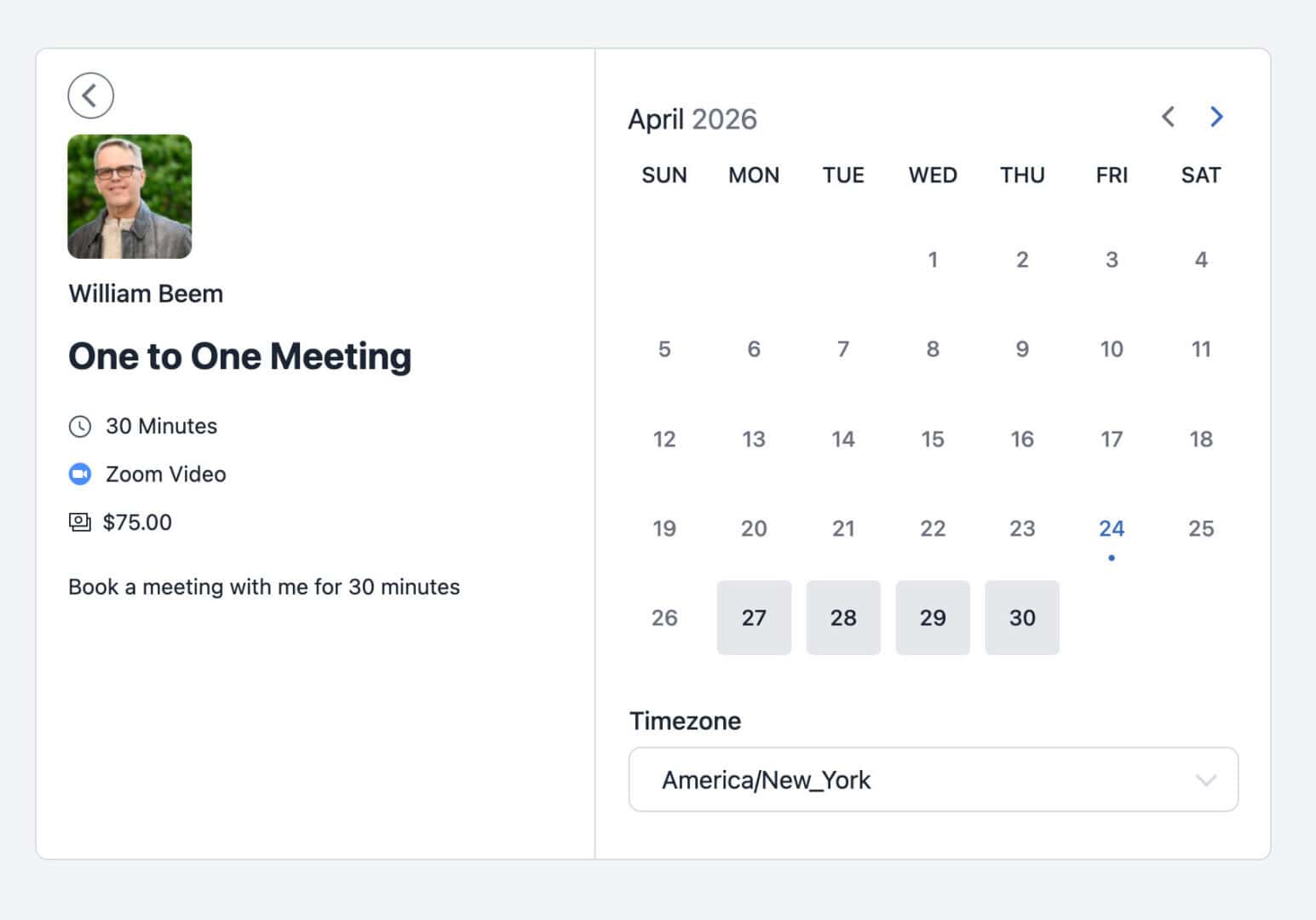
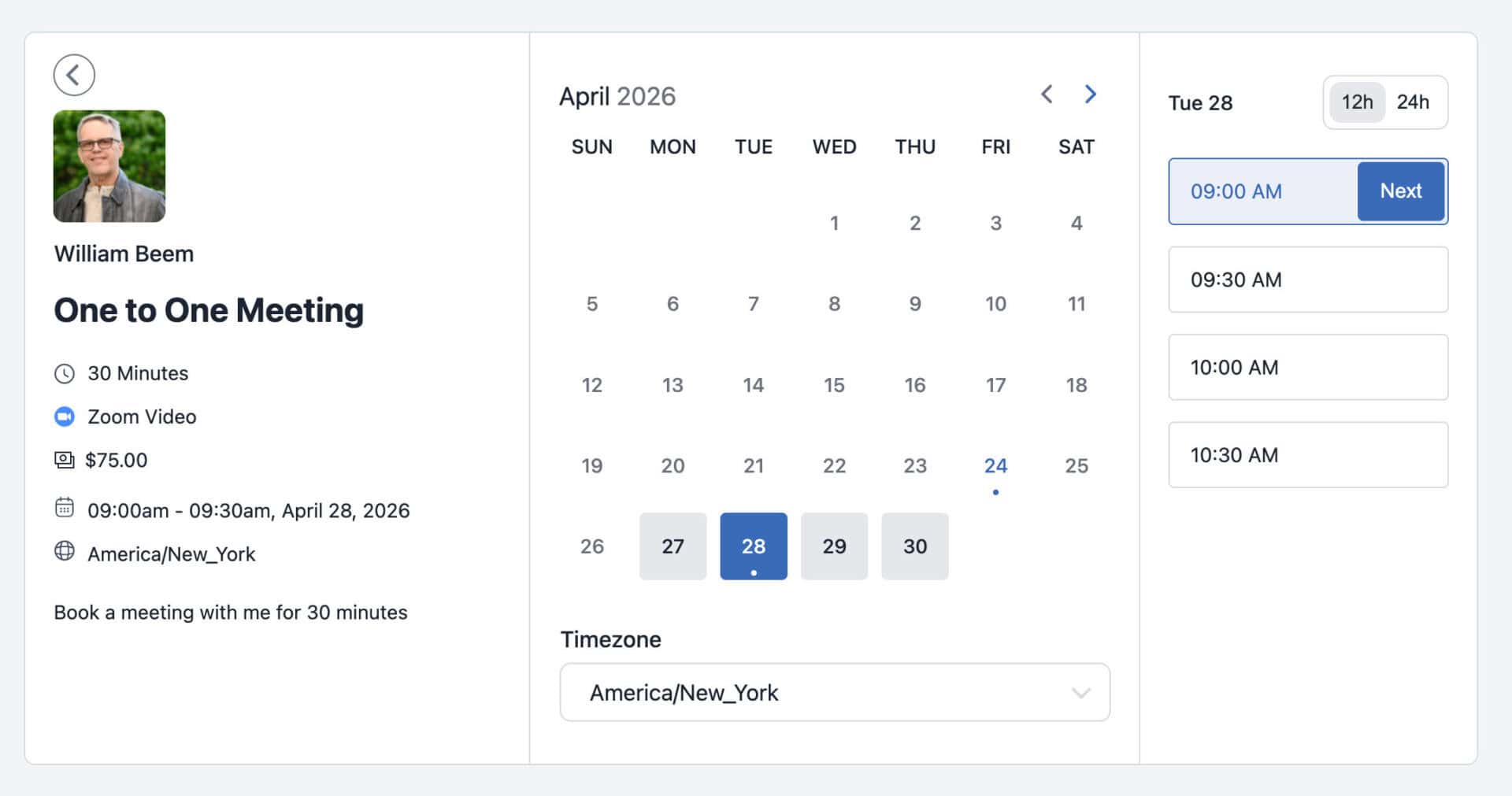
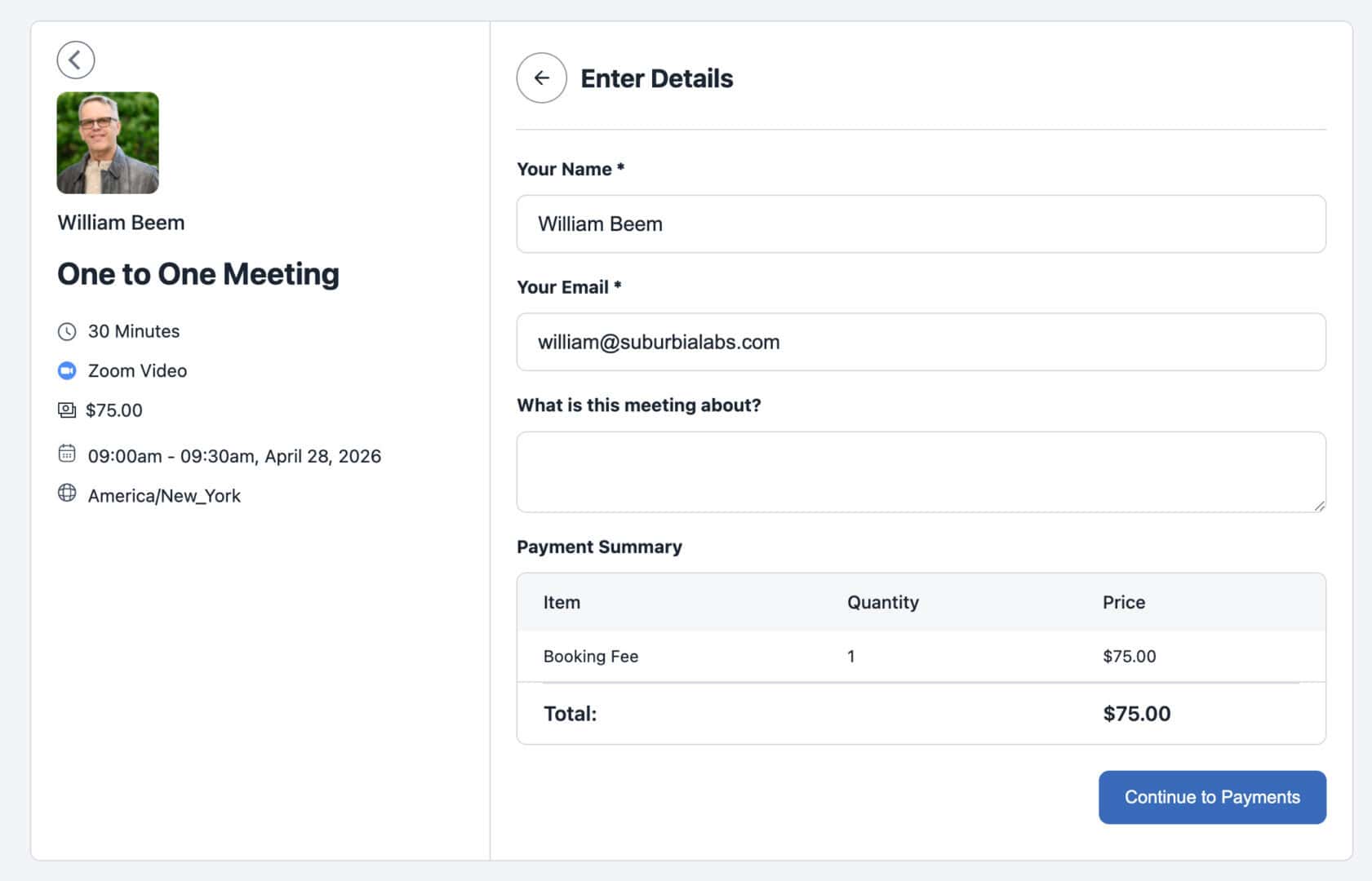
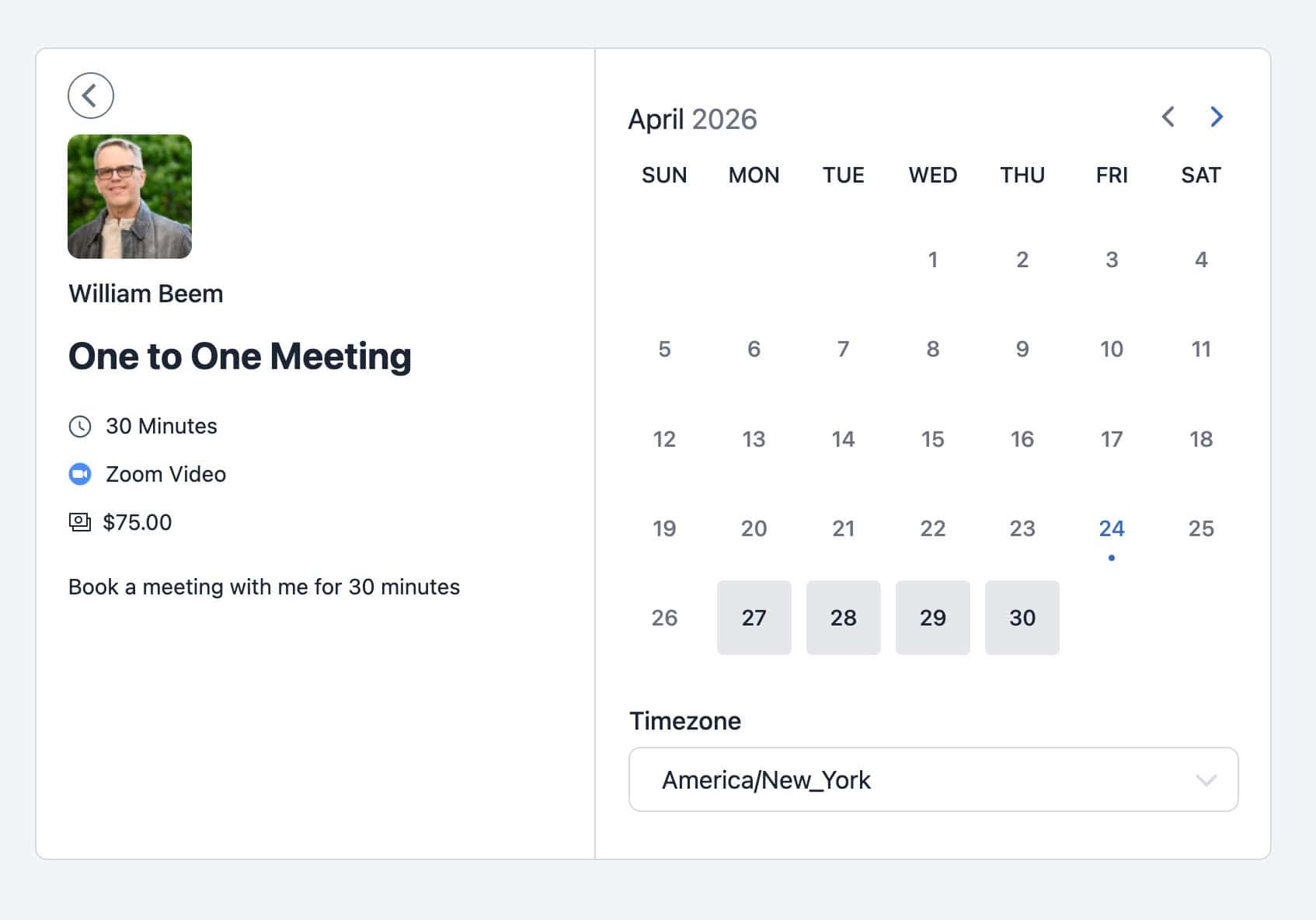
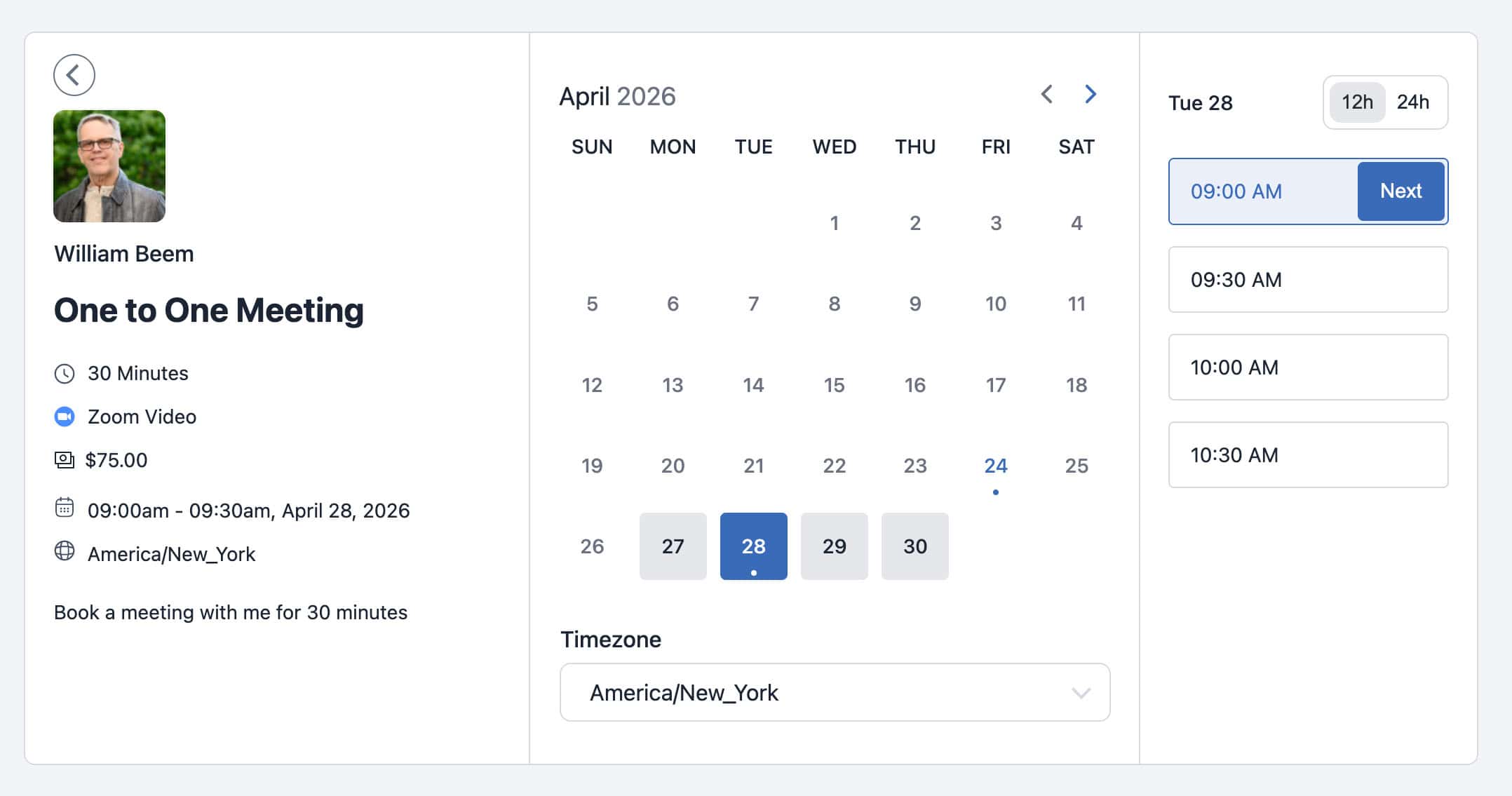
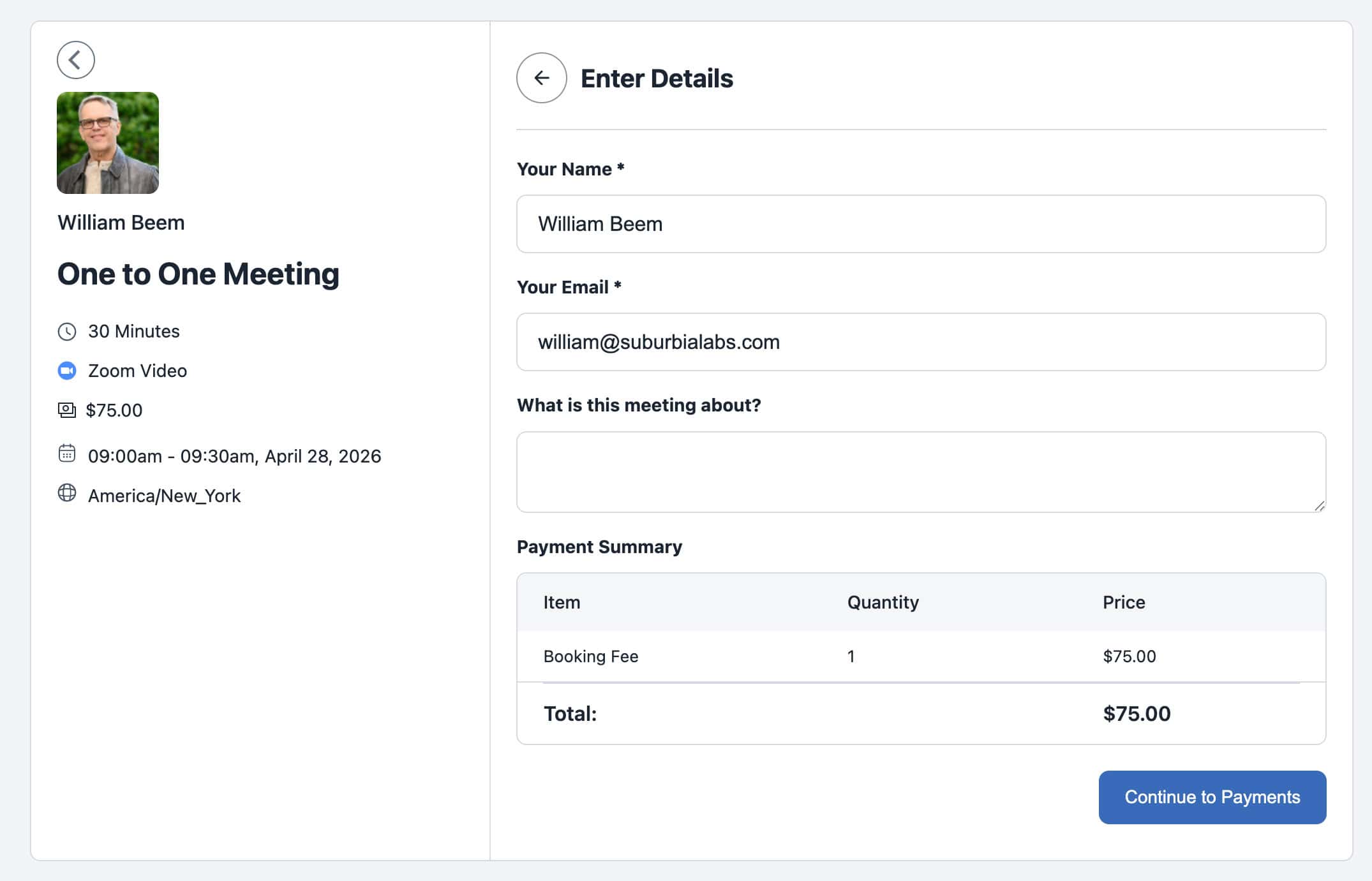
Testing the FluentBooking landing page revealed almost instantaneous load times. Because the code is native to your WordPress site, there is zero cumulative layout shift. When a visitor clicks a date, the transition to the available time slots is immediate. This frictionless flow is critical for maintaining conversion rates on high-ticket discovery calls where professional polish and speed matter most.
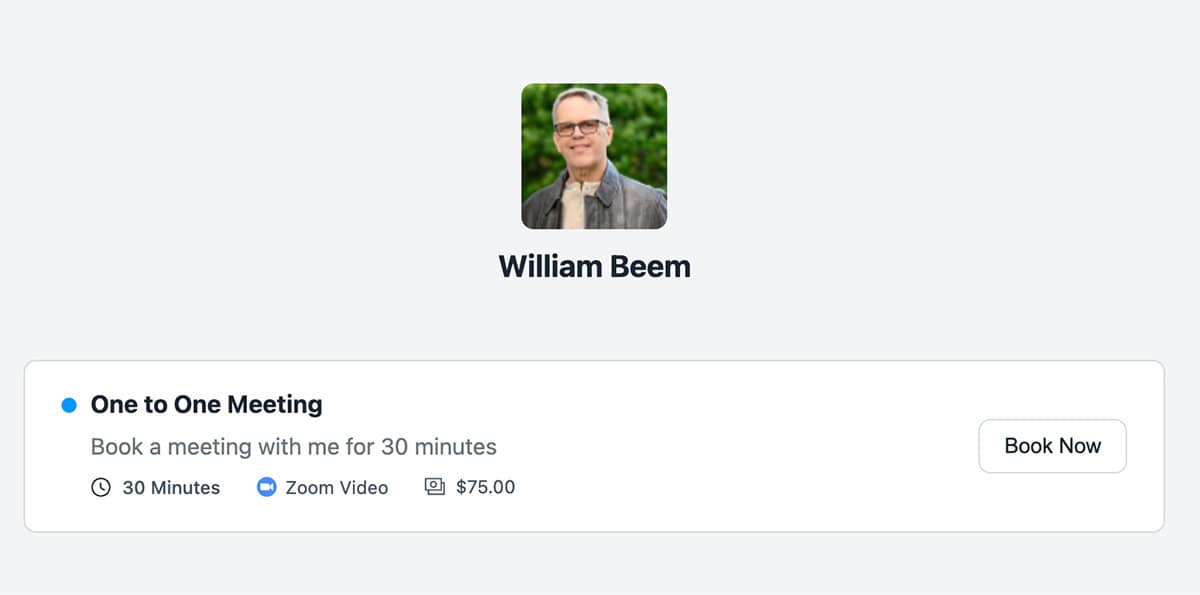
 The front-end interface provides a clean entry point for clients to select their preferred meeting type.
- Native WordPress integration ensures the calendar loads instantly without the lag typical of external iFrames.
- The interface automatically handles timezone conversions to ensure both parties are synchronized.
- Integrated Stripe payments allow you to collect fees at the moment of booking to prevent fraudulent appointments.
Global Payment Sovereignty
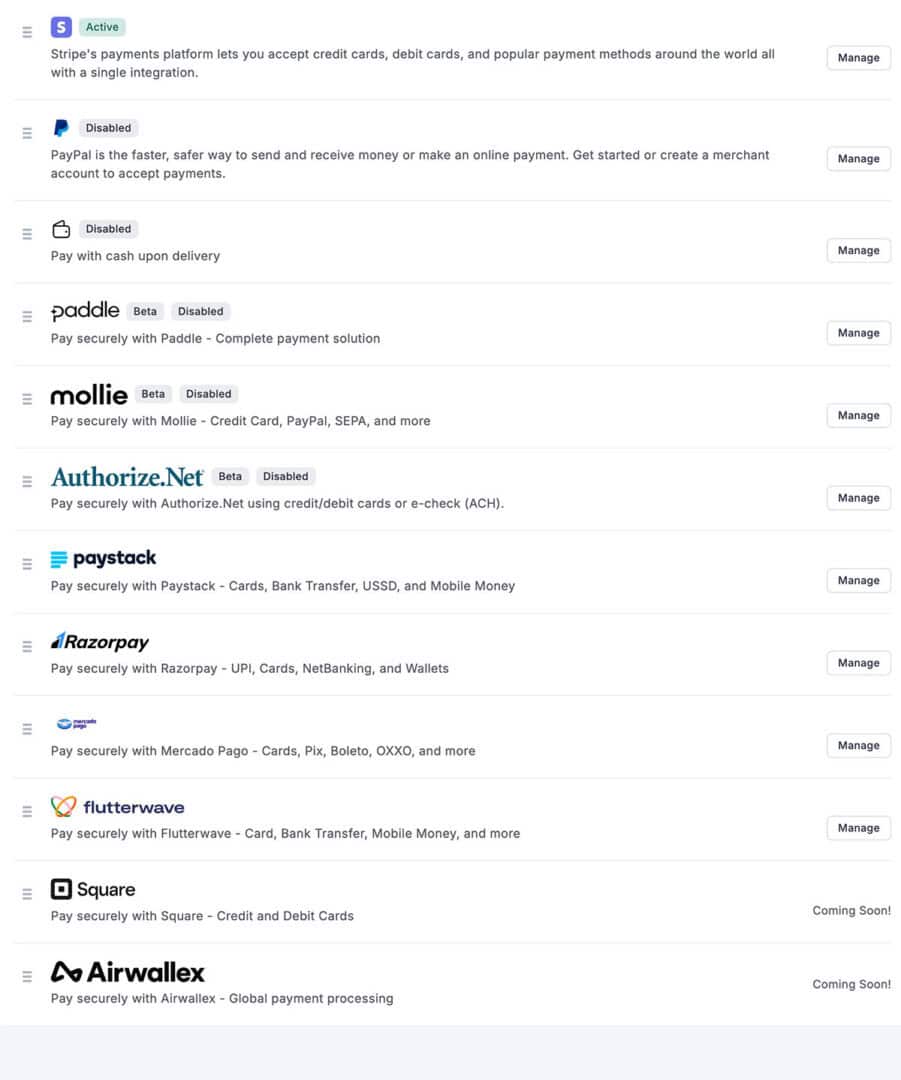
While most booking tools limit you to Stripe or PayPal, an architect looks for flexibility in how revenue is collected. FluentBooking offers a native connection to Stripe, but its true power lies in the FluentCart integration.
By offloading the checkout process to FluentCart, you unlock a vast array of regional payment gateways. This is critical for businesses operating in markets where Stripe is not the dominant player. You can maintain a seamless booking experience while offering your clients the local payment methods they trust, all without leaving your WordPress environment.
The Payment Gateway Trap
Standard SaaS booking tools often force you into their preferred payment processors, taking an additional cut or limiting your regional reach. Using FluentCart as your checkout engine ensures that you own the relationship with your payment provider.
The No-Fail Notification Protocol
A scheduling system is only as good as its reminders. If a client doesn’t receive the confirmation or the 24-hour reminder, the risk of a no-show increases. Most SaaS tools handle this through their own shared email servers, which leaves your business-critical communication at the mercy of their sender reputation.
For my stack, I use FluentSMTP to decouple my email delivery from the web server. This architectural choice creates a far more reliable notification system. By using a high-reputation transactional email provider, confirmations and reminders are delivered practically instantaneously. You are no longer reliant on a SaaS company’s shared IP address that might be throttled or blacklisted. You remain in full control of your own communication channel.
Native Integrations Without Middleware
One of the most significant advantages of a Sovereign Stack is the elimination of third-party connectors. In a standard SaaS environment, moving a lead from your calendar to your CRM often requires an expensive Zapier or Make subscription. These external bridges introduce latency and create additional points of failure.
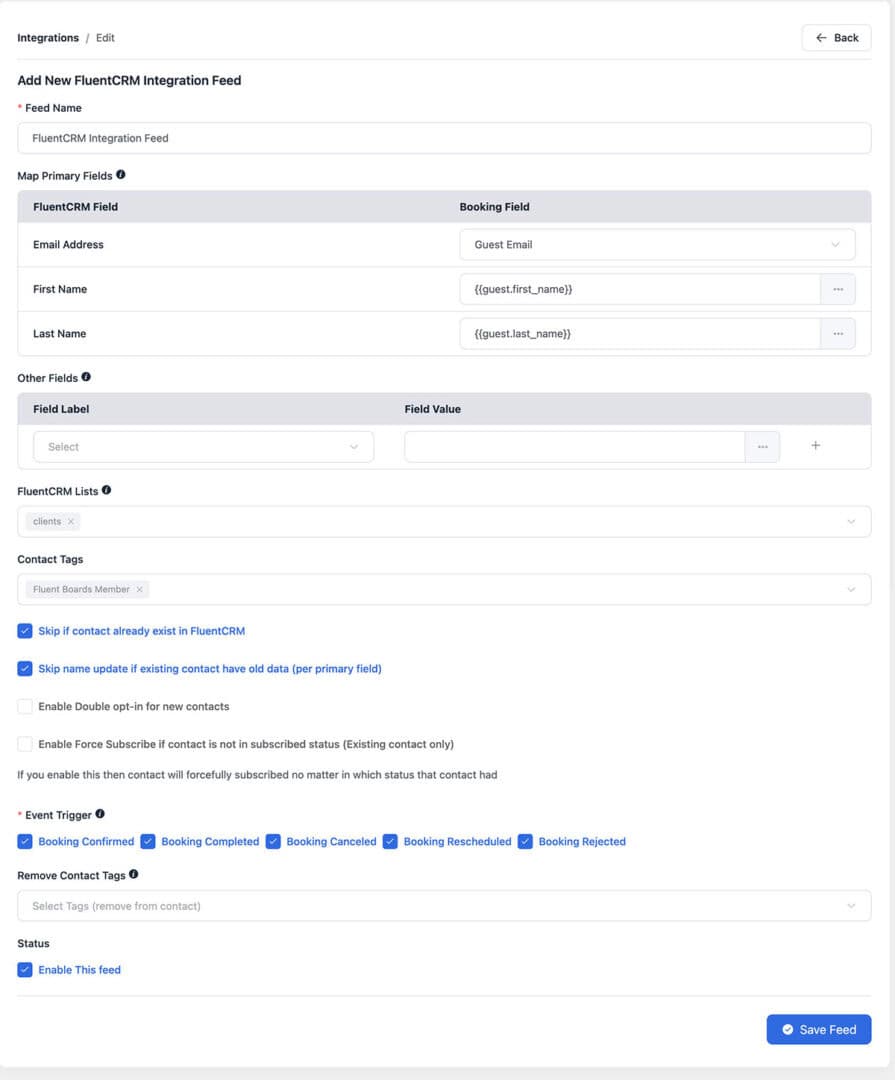
FluentBooking features a native handshake with FluentCRM and Fluent Forms. When a client books a session, their data is synchronized with your CRM immediately. This integration allows you to trigger automated follow-up sequences or update lead scores without the delay of a third-party bridge. In my FluentCRM Review, I detailed how this engine handles the heavy lifting of lead management once that booking is captured.
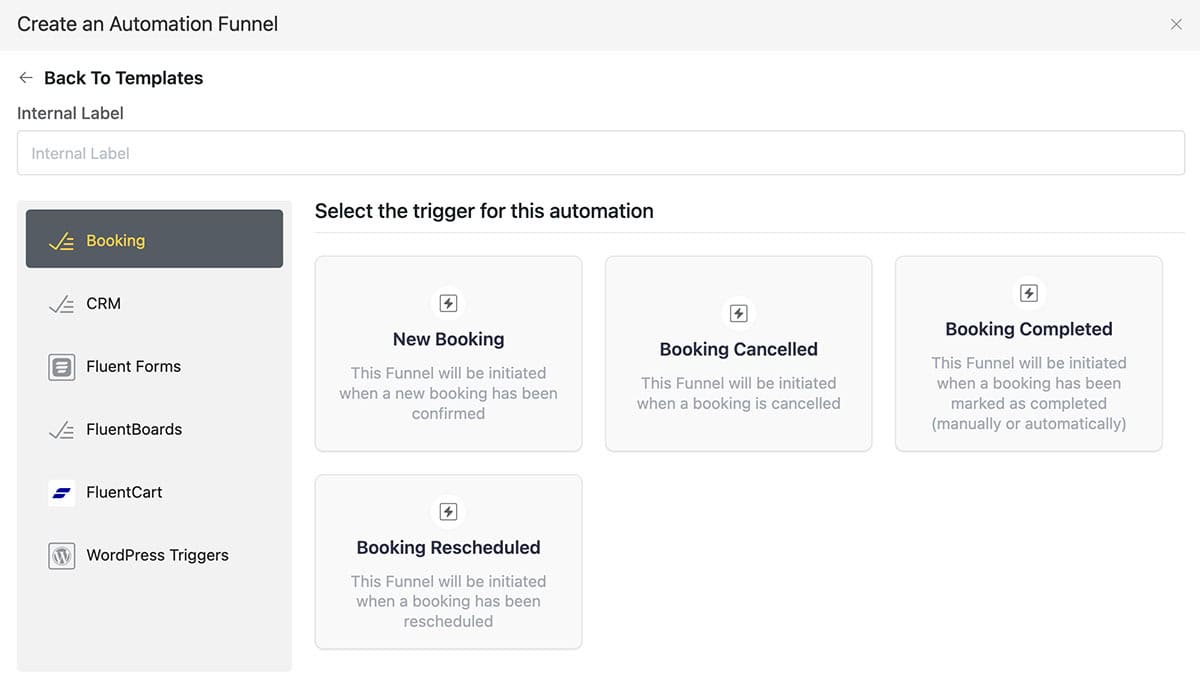
This allows you to trigger automated follow-up sequences or update lead scores without waiting for a webhook to fire. Because this happens internally on your server, the data remains private, and the execution is instantaneous.
The Sovereign Stack in Practice
To fully appreciate the efficiency of this architecture, it is helpful to see how these pieces fit together. Beyond scheduling, a complete business engine requires robust lead management and flexible commerce. You can explore my full audits of FluentCRM and FluentCart to see how I have configured these tools to work as a unified, self-hosted system.
Final Verdict on Foundational Infrastructure
FluentBooking is more than a simple calendar plugin. It is a piece of foundational infrastructure that respects your data, protects your performance, and stops the Success Tax from bleeding your margins. By choosing a self-hosted engine, you are investing in a business asset that you own rather than renting access to your own customers.
I can honestly recommend FluentBooking to any small or medium-sized business operating on WordPress. It is the logical choice for an architect who values systemic efficiency and long-term sovereignty.
Stop paying monthly fees for every team member you add to your calendar. FluentBooking gives you the same smooth experience as tools like Calendly, but it lives on your own site. This means you own your data, your clients never leave your domain, and your booking system stays fast because it connects directly to your own CRM.
- No monthly per-user fees for team members
- All customer data stays on your server for better privacy
- Connects directly to FluentCRM to automate your follow-ups
- Includes native integrations for Zoom, Google Meet, and Stripe
- Faster loading than external embeds that slow down your site
- You are responsible for ensuring your site’s email notifications are configured correctly
- Initial setup takes a few more clicks than a SaaS.
-
Does FluentBooking replace the need for Calendly?
Yes. For WordPress users, FluentBooking provides the same core scheduling features, including team calendars and automated reminders, without the recurring per-user monthly fees associated with Calendly.
-
Can I accept payments through FluentBooking in my local currency?
Yes. While FluentBooking supports Stripe natively, its integration with FluentCart enables access to regional payment gateways such as Mollie, Paystack, and Razorpay for global commerce.
-
Does FluentBooking slow down my WordPress site?
No. Architecturally, FluentBooking uses dedicated database tables and a Vue-based interface to ensure that scheduling operations do not impact your front-end performance or post-meta tables.
-
How does FluentBooking prevent double-bookings?
The system utilizes a two-way synchronization protocol with Apple, Google, and Outlook calendars. It checks for conflicts in real-time to ensure your availability is always accurate across all platforms.
-
Do I need a separate email provider for booking notifications?
While FluentBooking sends notifications natively, we recommend using a transactional provider like Amazon SES or Postmark via FluentSMTP. This architectural choice ensures your business-critical reminders bypass spam filters.